Browsing Category 'Research and Field Notes'

American alligator vs Burmese python

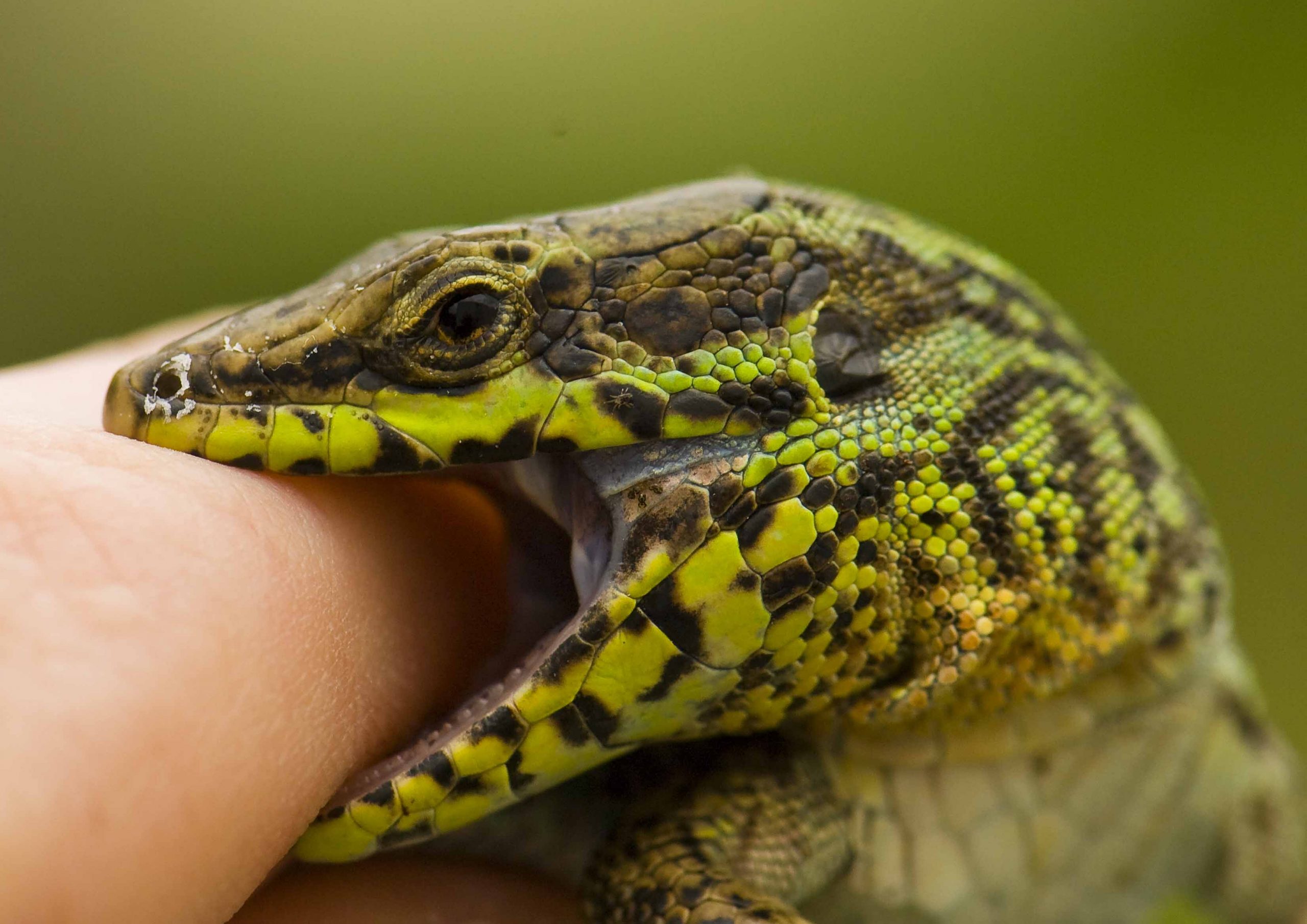
Are exotic pythons devastating Florida’s Everglades National Park? By Liza Lester, ESA communications officer Sometimes the snake wins. The exotic Burmese python is a new and deadly predator allegedly squeezing the wildlife of Florida’s already environmentally pressured Everglades. Large snakes have been observed swallowing American alligators and 80-pound deer, but more common prey are small [...]

Read more...
CalRecycle

This post contributed by Nadine Lymn, ESA Director of Public Affairs Many of us still operate under the notion that, as responsible car owners, we should get our vehicle’s oil changed every 3,000 miles to keep our engines running smoothly.  But it turns out that this engrained wisdom is not true if you own a [...]

Read more...
manure tractor

Overabundance of an essential nutrient is not always a good thing. – by Liza Lester, ESA communications officer. A tractor spreads manure. Excess fertilizer seeping out of fields has a host of consequences for ecological systems and human health. Credit, flickr user eutrophication&hypoxia, 2010.   NITROGEN is both an essential nutrient and a pollutant, a [...]

Read more...
morphologydiagram

This post contributed by Nadine Lymn, ESA Director of Public Affairs Their silent, shimmery beauty has long stirred human aesthetic appreciation and for centuries individuals have sought to unravel the secrets of snowflakes.  Why are there so many varieties?  Why do all snowflakes have six “arms”?  And why does each flake appear unique, no matter [...]

Read more...
hermaphrodite C. elegans

This post contributed by Nadine Lymn, ESA Director of Public Affairs The roundworm Caenorhabditis elegans (C. elegans) is a tiny laboratory animal that researchers have worked with for decades.  As a hermaphrodite, C. elegans makes both sperm and eggs and can reproduce by self-fertilization.  In contrast to humans, where hermaphrodites are rare, for C. elegans, [...]

Read more...