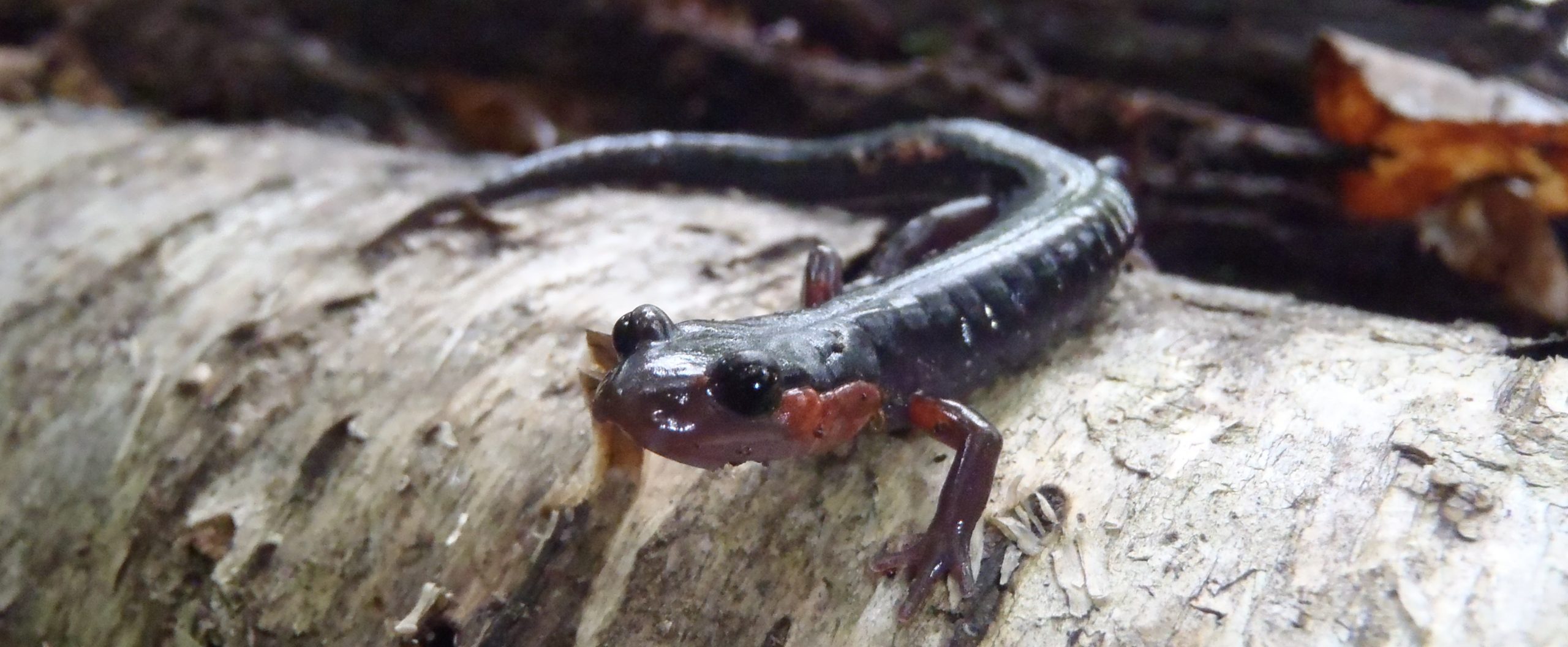
Fighting a fungal threat to Salamanders
Ecologist Karen K. Lips wants to protect wild salamanders from exposure to a deadly new fungal infection spreading through the pet trade.
Ecologist Karen K. Lips wants to protect wild salamanders from exposure to a deadly new fungal infection spreading through the pet trade.
Ecosystem Health and Sustainability showcases applications of ecological science in support of sustainable development during an era of extensive and accelerating human and environmental change. Today, the Ecological Society of America (ESA) and the Ecological Society of China (ESC) jointly launch a new open access scholarly research journal to foster communication of applied ecological research across national and disciplinary boundaries….
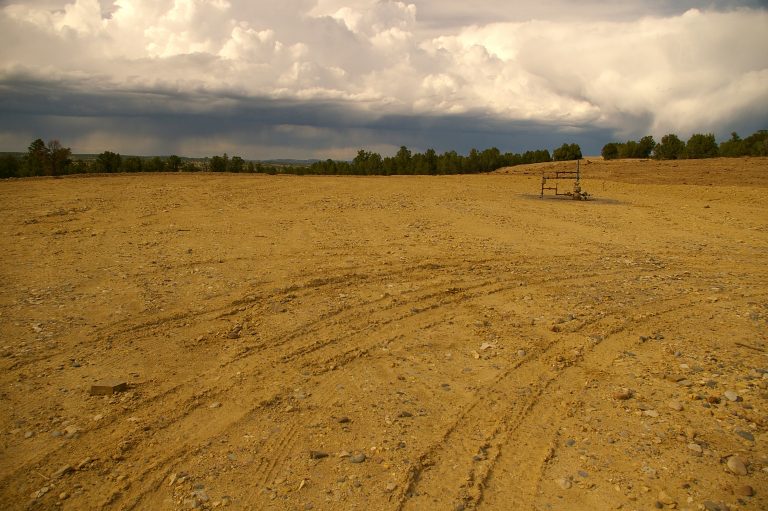
Sagebrush ecosystem recovery appears to be hobbled by loss of soil complexity when topsoil is remixed at oil and gas development sites, losing the “islands of fertility” associated with mature shrubs. Related news stories: “Sage Advice: Couple’s research plants seeds for reclamation of sagebrush.” Dennis Webb. The Grand Junction Daily Sentinel, Monday, February 2, 2015. “State should improve reclamation process.” Editorial. The…
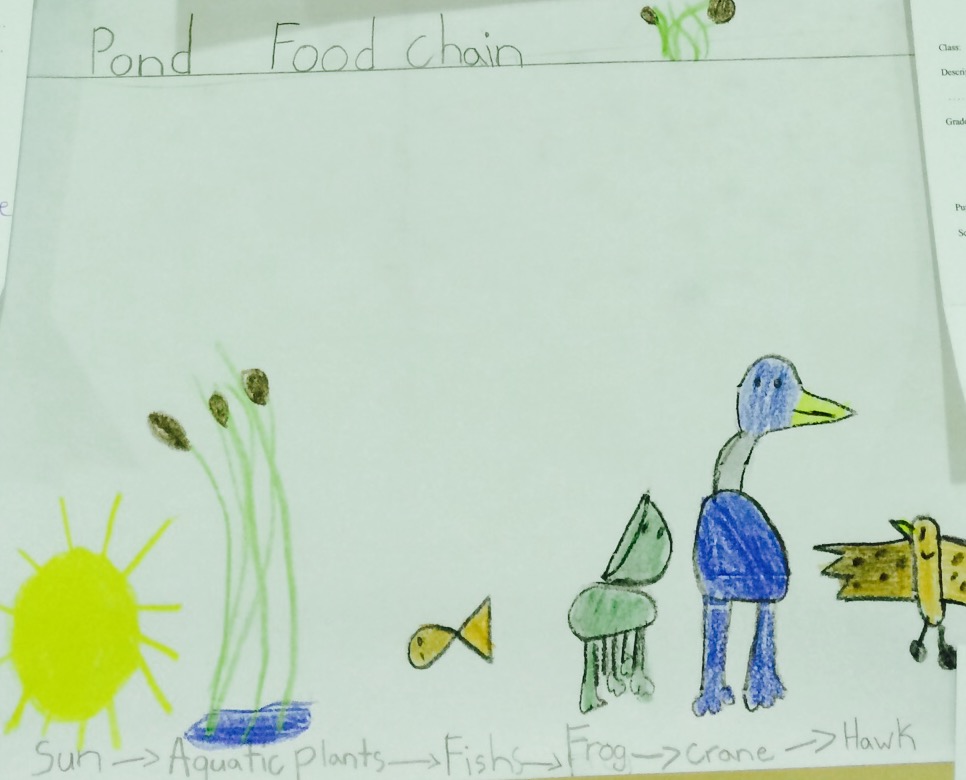
In December 2015, the Ecological Society of America will celebrate a big birthday: 100 years since the first group of botanists and zoologists, parasitologists, geologists, physiologists, and marine biologists gathered in Columbus, Ohio, to unite their shared interest in the relationships of the great diversity of living organisms to each other and their surroundings. To kick off our centennial year,…
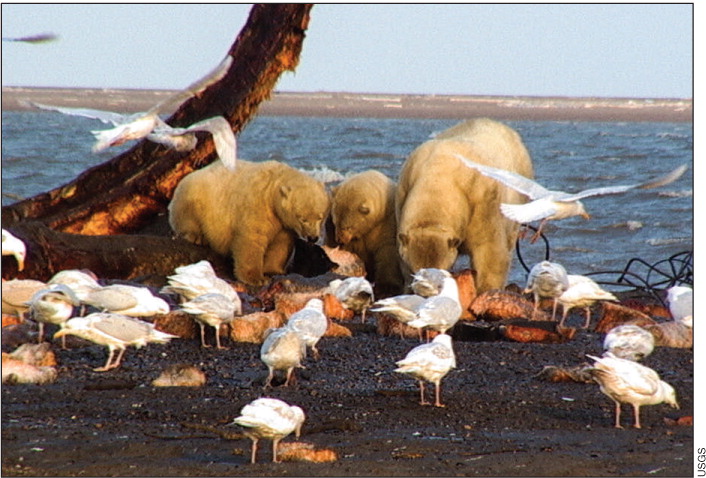
When wild birds are a big part of your diet, opening a freshly shot bird to find worms squirming around under the skin is a disconcerting sight. That was exactly what Victoria Kotongan saw in October, 2012, when she set to cleaning two of four spruce grouse (Falcipennis canadensis) she had taken near her home in Unalakleet, on the northwest…
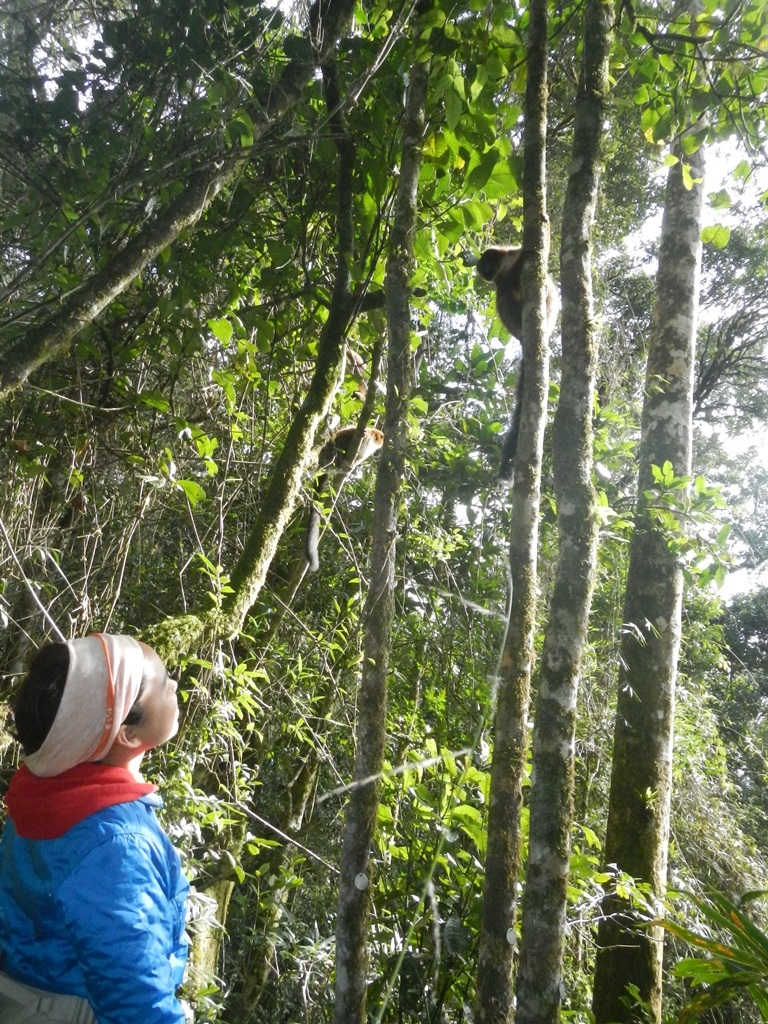
On the island nation of Madagascar, the long-limbed local primates, lemurs, are for some trees, essential helpers. It is advantageous for a tree to scatter its progeny not just to the wind and widely, but where they will find fertile ground and clement conditions for growth. Some trees recruit animals for this task by tempting them with delicious and nutritious…
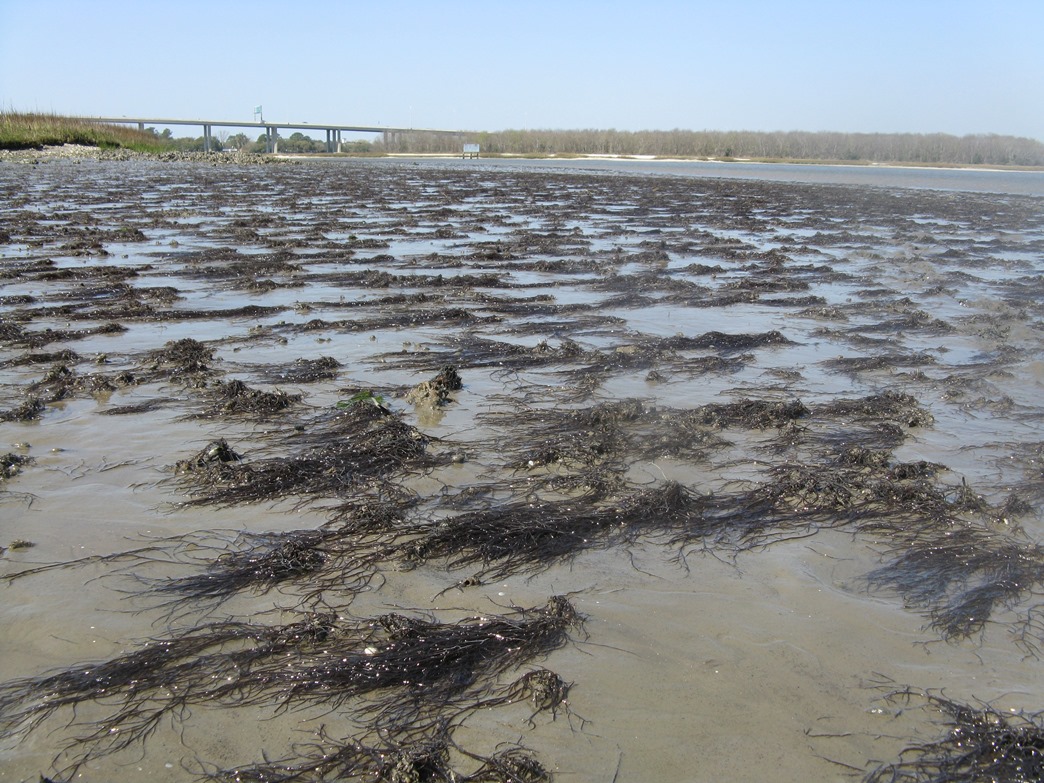
On the tidal mudflats of Georgia and South Carolina, the red Japanese seaweed Gracilaria vermiculophylla is gaining a foothold where no native seaweeds live. Only debris and straggles of dead marsh grass used to break the expanse of mud at low tide. Crabs, shrimp, and small crustaceans mob the seaweed in abundance. What makes it so popular? Not its food…
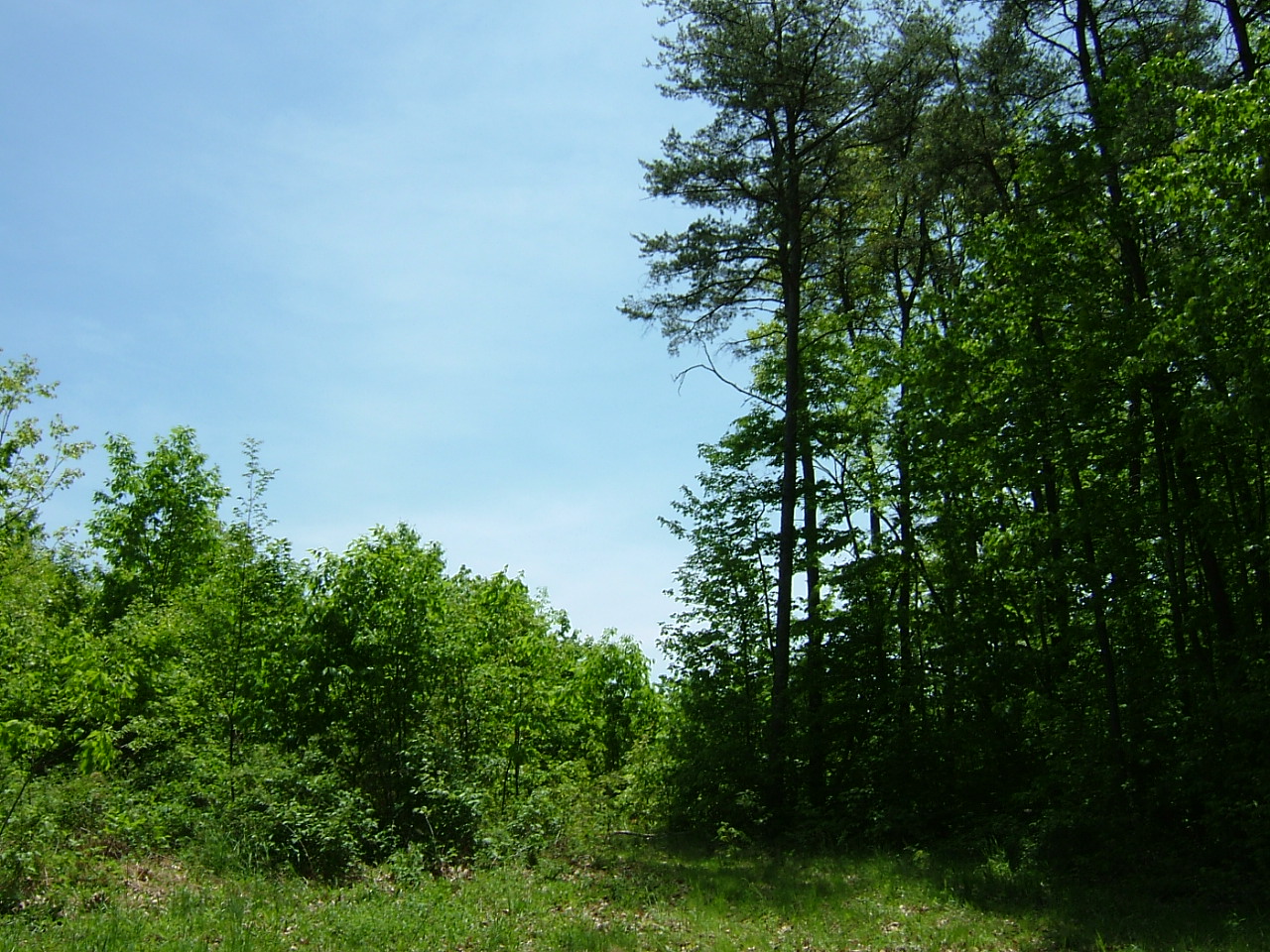
Ecologists working in central Pennsylvania forests have found that forest top soils capture and stabilize the powerful fertilizer nitrogen quickly, within days, but release it slowly, over years to decades. The discrepancy in rates means that nitrogen can build up in soils, David Lewis, Michael Castellano, and Jason Kaye report in the October 2014 issue of ESA’s journal Ecology, published…
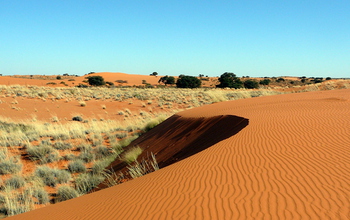
There is water under the dry sands of the Kalahari. Perversely, this gift has lead to a cycle of land degradation.
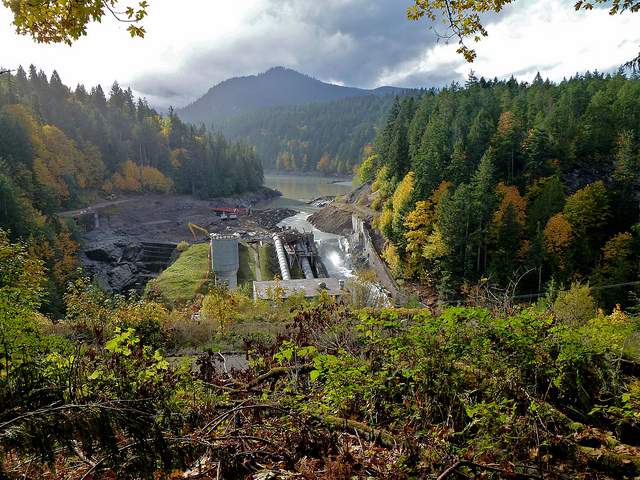
“When the sun peeped over the Sierra Madre, it slanted across a hundred miles of lovely desolation, a vast flat bowl of wilderness rimmed by jagged peaks. On the map the Delta was bisected by the river, but in fact the river was nowhere and everywhere, for he could not decide which of a hundred green lagoons offered the most pleasant and least speedy path to the Gulf.”
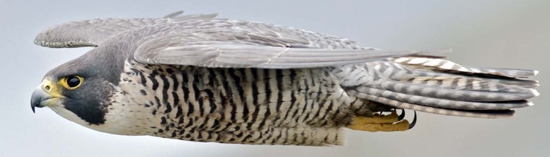
Datasets from long-running volunteer survey programs, calibrated with data from sporadic intensive monitoring efforts, have allowed ecologists to track the recovery of peregrine falcons in California and evaluate the effectiveness of a predictive model popular in the management of threatened species. In recovery from the deadly legacy of DDT, American peregrine falcons (Falco peregrinus anatum) faced new uncertainty in 1992,…
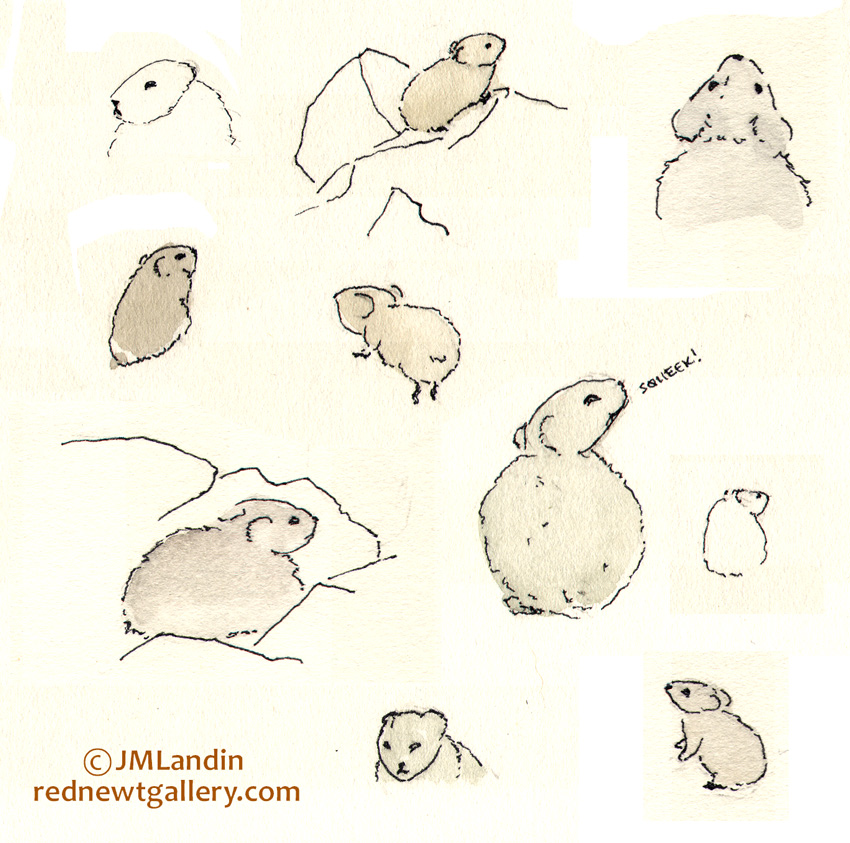
Another fine guest post from Holly Menninger and the ESA2014 EcoCommCrew: Adorable and fuzzy, American pikas have become the spokes-critter for the consequences of climate change in alpine areas. Pika sketch by biological illustrator, Jennifer Landin.