What Is Ecology?
The estimated time to read this article is between
and it contains
What does ecology have to do with me?

Ecology is the study of the relationships between living organisms, including humans, and their physical environment; it seeks to understand the vital connections between plants and animals and the world around them. Ecology also provides information about the benefits of ecosystems and how we can use Earth’s resources in ways that leave the environment healthy for future generations.
Who are Ecologists?
Ecologists study the relationships among organisms and habitats of many different sizes, ranging from the study of microscopic bacteria growing in a fish tank, to the more complex interactions between the thousands of plant, animal, and other communities found in a desert.
Ecologists also study many kinds of environments. For example, ecologists may study microbes living in the soil under your feet or animals and plants in a rain forest or the ocean.
The Role of Ecology in Our Lives
The many specialties within ecology, such as marine, vegetation, and statistical ecology, provide us with information to better understand the world around us. This information also can help us improve our environment, manage our natural resources, and protect human health. The following examples illustrate just a few of the ways that ecological knowledge has positively influenced our lives.
Improving our Environment
In the 1960s, ecological research identified two of the major causes of poor water quality in lakes and streams-phosphorous and nitrogen-which were found in large amounts in laundry detergents and fertilizers. Provided with this information, citizens were able to take the necessary steps to help restore their communities’ lakes and streams-many of which are once again popular for fishing and swimming.
Non-Native or Introduced Species Invasions
Some non-native species (plants, animals, microbes, and fungi not originally from a given area) threaten our forests, croplands, lakes, and other ecosystems.

Introduced species, such as the kudzu vine shown here, do this by competing with plants and animals that were originally there, often damaging the environment in the process. For example, the gypsy moth, a native of Europe and Asia, wreaks havoc on great swaths of forest lands by defoliating, or eating the leaves off of trees. At first, highly toxic chemicals, which also poisoned other animals, were the only methods available to control this introduced pest. By targeting vulnerable stages in the moths’ life cycle, ecologists devised less toxic approaches to control their numbers.
Public Health
Natural Services

Ecologists have discovered that marshes and wetlands filter toxins and other impurities from water. Communities can reap the benefit of this ecological service. Leaving some of these filtering ecosystems intact can reduce the burden on water treatment plants that have been built to perform the same service. By using natural filtering systems, we have the option to build fewer new treatment plants.
Biomedical Contributions

Ecologists have discovered that many plants and animals produce chemicals that protect them from predators and diseases. Some of these same chemicals have been synthesized by scientists or harvested from the organism and used to treat human diseases. For example, the Pacific Yew tree produces a substance which is used in cancer treatments. Another example is a substance found in horseshoe crabs, hemolymph, that is used in leukemia treatments.
Natural Resource Management
Endangered Species Protection
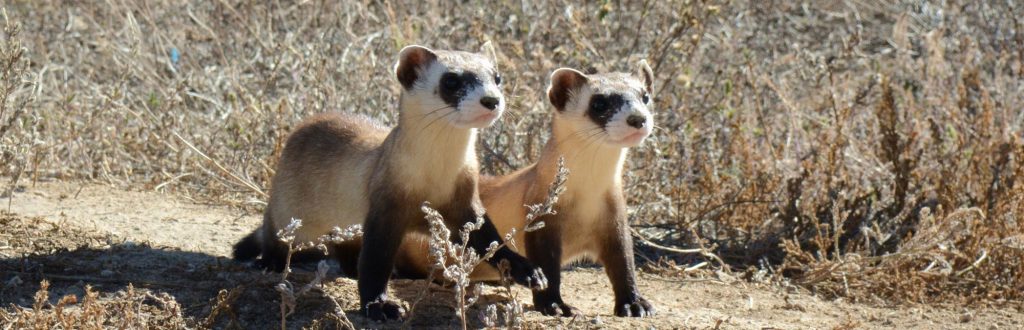
Some of our nation’s most cherished species, such as the bald eagle and peregrine falcon, as well as countless other less familiar species, like the Virginia Big-Eared Bat and the American Burying Beetle, have either been brought back from the brink of extinction or their populations have been stabilized. These successes are the result of successful captive breeding efforts, reintroduction methods, and a greater understanding of species, in part because of ecological research.
Forestry Solutions

Ecological concepts have been applied to forest management and are slowly being integrated into traditional forest science. For example, ecological studies have shown that fire plays a key role in maintaining healthy forest ecosystems in certain types of forests. This knowledge has encouraged more research to find ways to use controlled fires to prevent unpredictable and costly wildfires.
Agricultural Solutions

Biological control is a technique that uses the natural enemies and predators of pests to control damage to crops. It is based in part on knowing the ecology of pests, which is used to understand when and where they are the most vulnerable to their enemies. Biological control alleviates crop damage by insects, saves money, and decreases problem associated with pesticides.
Fishing Solutions

Ecological research has shown that estuaries are nursery grounds for fish populations that live in coastal waters, an important reason to protect these areas. Ecological research has also identified obstacles, such as dams, that fish encounter when returning to their breeding areas. This information has been used to help design structures for fish so they can move around these obstacles to reach their breeding areas.
Common Terms from Ecology
Ecosystem
An ecosystem is any geographic area that includes all of the organisms and nonliving parts of their physical environment. An ecosystem can be a natural wilderness area, a suburban lake or forest, or a heavily used area such as a city. The more natural an ecosystem is, the more ecosystem services it provides. These include cleansing the water (wetlands and marshes) and air (forests), pollinating crops and other important plants (insects, birds, bats), and absorbing and detoxifying pollutants (soils and plants).

Biodiversity
Short for biological diversity, biodiversity is the range of variation found among microorganisms, plants, fungi, and animals. Some of this variation is found within species, such as differences in shapes and colors of the flowers of a single species of plants. Biodiversity also includes the richness of species of living organisms on earth.

Environment
The environment is the surroundings of an organism including the physical and chemical environment, and other organisms with which it comes into contact. This term is most frequently used in a human context, often referring to factors affecting our quality of life.

Natural Resources
Natural resources are living and nonliving materials in the environment that are used by humans. There are two types:
- renewable (wildlife, fish, timber, water) and;
- nonrenewable (fossil fuels and minerals).

Population
A group of individuals belonging to one species (of bacteria, fungi, plant, or animal) living in an area.
Read more on this definition at the National Institutes of Health (NIH) website, nih.gov.

Community
Populations of organisms of different species that interact with one another.

Where can I go for More Information or Assistance?

If you are interested in learning more about ecology, or would like to know what you can do to become involved, a number of resources are at your disposal. Public and university libraries offer articles, journals, and books on a range of ecological research.
Many environmental organizations have developed educational materials that focus on species and ecosystems, and offer tips on becoming involved in community activities that relate to the environment. Finally, professional ecological organizations can connect you with scientific experts in all types of ecological study, from those that specialize in wetland ecology, to those that focus on endangered species, to those whose work emphasizes city environments.
Related Materials
Issues in Ecology
This series of reports providing key scientific information on current environmental issues is published by the Ecological Society of America with support from the Pew Foundation and from the Environmental Protection Agency, Office of Sustainable Ecosystems and Communities.
For a current list of Issues, select the following link,
https://esa.org/publications/issues

Benefits of Ecological Research
- Ecological Research Benefits one-pager, Case Study 1: The Hantavirus
- Ecological Benefits one-pager, Case Study 2: Lyme Disease
Studies on Lyme Disease

Lyme Disease is a potentially serious bacterial infection that is transmitted to humans by certain ticks. Ecological studies have found that people are more likely to get Lyme disease when acorns are plentiful. Why? Because mice and deer, which carry the disease and the ticks, feed on acorns. More acorns usually mean more mice and deer, providing a favorable environment for large populations of ticks to flourish. Knowing the connections between acorns, deer, mice, and ticks, ecologists are able to predict the likelihood of infection and let people know when they need to be more careful when outdoors.