Skip to content
Field Talk

audio interviews take you into the field with ecologists

  • About Field Talk
  • EGWASH Podcast
  • Beyond the Frontier Podcast
  • ESA
Filter By:
  • Show All
  • Field Talk
  • Land Sparing/ Land Sharing

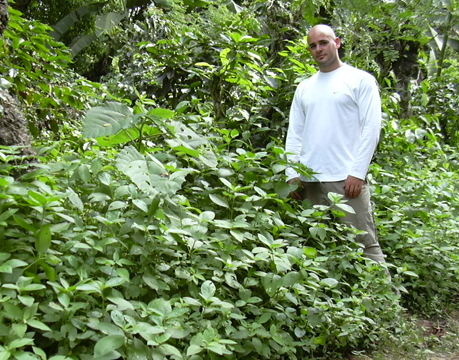
Considering canopy cover in Ecuador

Loss of canopy cover in rainforests—compared to the other fragmented habitats in Manabi in southwest Ecuador—leads to a region-wide loss of diversity in species interactions, said researchers from the University of Canterbury in New Zealand. As Jason Tilianakis and Etienne… Read more ›

June 30, 2010
liza
Field Talk
agroforestry, bees, coffee, Ecuador, ESA Ecology, Forestry, habitat fragmentation, Rainforests, South America, Tropical Forest

Fruitful Savannahs: Termites enrich the soil in East Africa

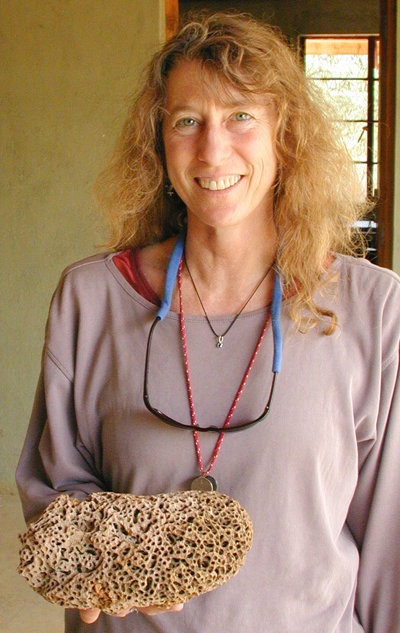
Vertebrate fertilizer is not the only source of nutrients in the soils of East African savannahs, at least according to a study recently published in the journal Ecology. Alison Brody from the University of Vermont and colleagues found that termites… Read more ›

April 15, 2010 1 Comment
liza
Field Talk
Africa, cattle, ESA Ecology, Fertilizer, Herbivores, Kenya, Nitrogen, Soil, symbiosis, Termites, Vegetation

Stepping stones of diversity: the Santa Barbara landscape and giant kelp genetics

What is it about the rocky habitat in California that makes giant kelp so prevalent? And how do they spread from one section of the Santa Barbara Channel to another? According to Filipe Alberto, a marine population geneticist at the… Read more ›

March 1, 2010
liza
Field Talk
California, Coastal, ESA Ecology, genetic diversity, kelp, Landscape, LTER, Marine, North America

Arctic shrubs looming large: Climate change and tundra productivity

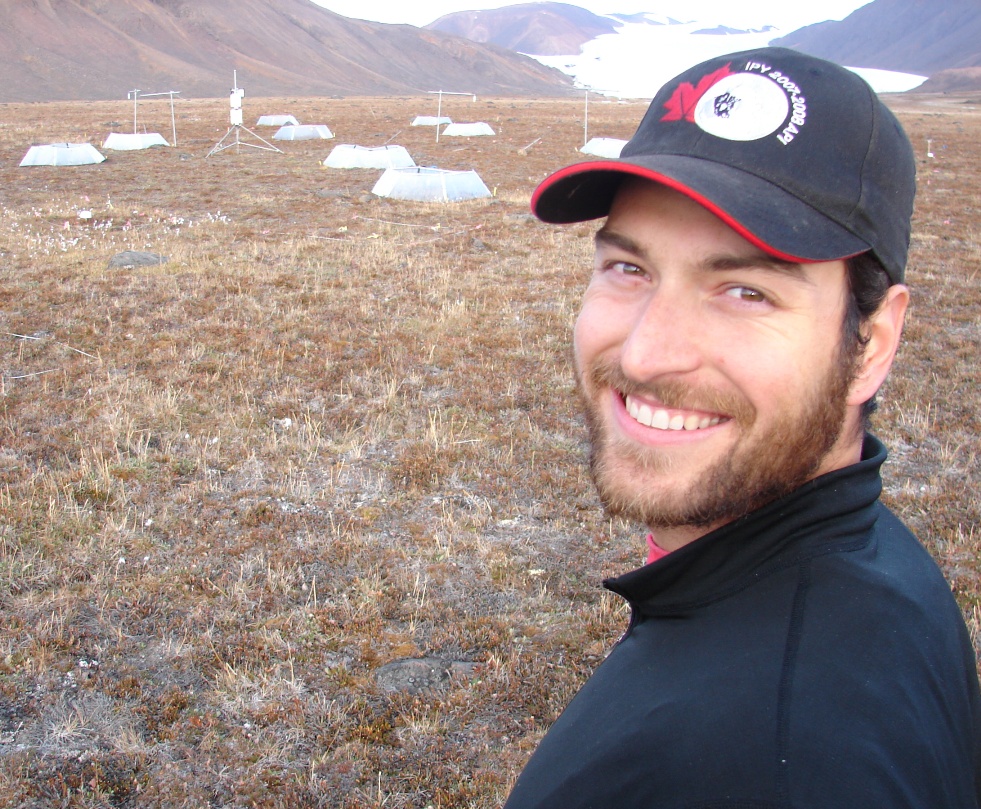
All around the world, the subtle—and not-so-subtle—impacts of climate change are becoming apparent.  In the Arctic, where temperatures are warming at about twice the rate of lower latitudes, researchers are discovering marked changes in the landscape. In this month’s Field… Read more ›

October 9, 2009
liza
Field Talk
Arctic, Biogeochemical cycles, Canada, Climate Change, ESA Ecology, tundra

The abandoned mutualist: When ants take their business elsewhere

Ant-plant mutualisms are ubiquitous in tropical areas. In these examples of cooperation in nature, plants provide nutrition and shelter for ants that live on their leaves and branches. In return, the ants provide defense, kicking out (or even killing) any… Read more ›

September 11, 2009
liza
Field Talk
Ants, Brazil, Cerrado, ESA Ecology, Forest, Heraldo Vasconcelos, Mutualism, South America, symbiosis, Tropical

It’s only skin deep: Melanism and thermoregulation in lizards

Like all ectotherms, lizards gain energy to go about their business by absorbing heat from their surrounding environment. Often lizards bask in the sun to maximize their heat absorption. But there are other, subtler things that can also affect how… Read more ›

August 31, 2009 1 Comment
liza
Field Talk
Africa, color, ectotherms, ESA Ecology, lizards, melanism, South Africa

How Rocky Mountain lakes fight back against pollution

Leora Nanus of the USGS Water Resources Division joins us in the June edition of Field Talk. Nanus studied the ability of alpine lakes in the national parks of the Rocky Mountains to buffer against harmful acidic pollution from the… Read more ›

June 30, 2009
liza
Field Talk
acidification, Alpine, Ecological Applications, eutrophication, Lakes, National Park Service, Nitrogen, North America, Pollution, Rocky Mountains, USGS, Water

Battles of the sexes: Competition and evolution in tropical hummingbirds

In this edition of Field Talk, we catch up with Ethan Temeles, a biologist at Amherst College, who tells us a tale of competition among the sexes in Caribbean hummingbirds – competition so severe that it drives their evolution. The… Read more ›
May 28, 2009
liza
Field Talk
Birds, Caribbean, ESA Ecology, Forest, Tropical
← Older posts
Newer posts →

Join Liza Lester and guests for stories from the field on the Ecological Society of America's Field Talk audio interviews. Conversations usually, but not always, start from new research in one of ESA's five journals, and work outward to implications, motivations, curiosities, and the communities in which ecologists live and work.

Alison Brody
Field Talk © 2024. All Rights Reserved.
Proudly powered by WordPress
A theme by Sampression