Education Scholars
We are pleased to announce the ESA 4DEE Education Scholars who participated in the Transforming Ecology Education to 4D Faculty Mentoring Networks (FMN). Their work encapsulated key ideas of the Four-Dimensional Ecology Education (4DEE) Framework Initiative. The scholars have published peer reviewed educational resources incorporating 4DEE and presented in a Water Cooler Chat, listed below.
Meet the scholars!
North Carolina State University | Department of Forestry and Environmental Resources
I am an Assistant Research Professor at North Carolina State University. My work focuses on carbon and water flux research, and I enjoy teaching courses in terrestrial ecosystem ecology, environmental science, and data analytics.
Beyond Boundaries: Exploring Terrestrial Ecosystems Through the 4DEE Lens
Alcorn State University | Department of Agriculture
My research is interdisciplinary, integrating soil science, biogeochemistry, sensor technology, and climate smart agriculture. Through field studies and data driven approaches, I work to advance soil health, nutrient use efficiency, and sustainable land management while supporting producers and stakeholders in responding to environmental change.

College of DuPage | Biology
I am a Professor of Biology and Faculty Chair for Global Education at the College of DuPage in Glen Ellyn, IL. I spend a lot of time thinking about the meaning and place of ecological systems in human society, and prioritize environmental literacy and civic responsibility in my teaching practice.
Misericordia University | Biology and Environmental Studies
I am a marine ecologist who studies invasive species!
GateWay Community College | Social & Behavioral Sciences
My research interests are interdisciplinary drawing from the fields of critical pedagogy, multicultural education, anthropology, traditional knowledge systems, climate justice, data equity, and community-based science. In my community college classroom I strive to promote creative critical thinkers and changemakers in addressing the current challenges of our changing planet.
Ecology as Critical Pedagogy: Investigating Climate Disparities using the Tree Equity Index and AI

Penn State Erie, The Behrend College | Biology
I am a behavioral ecologist generally interested in plastic responses to stressors along with the population-level and management implications of those responses.
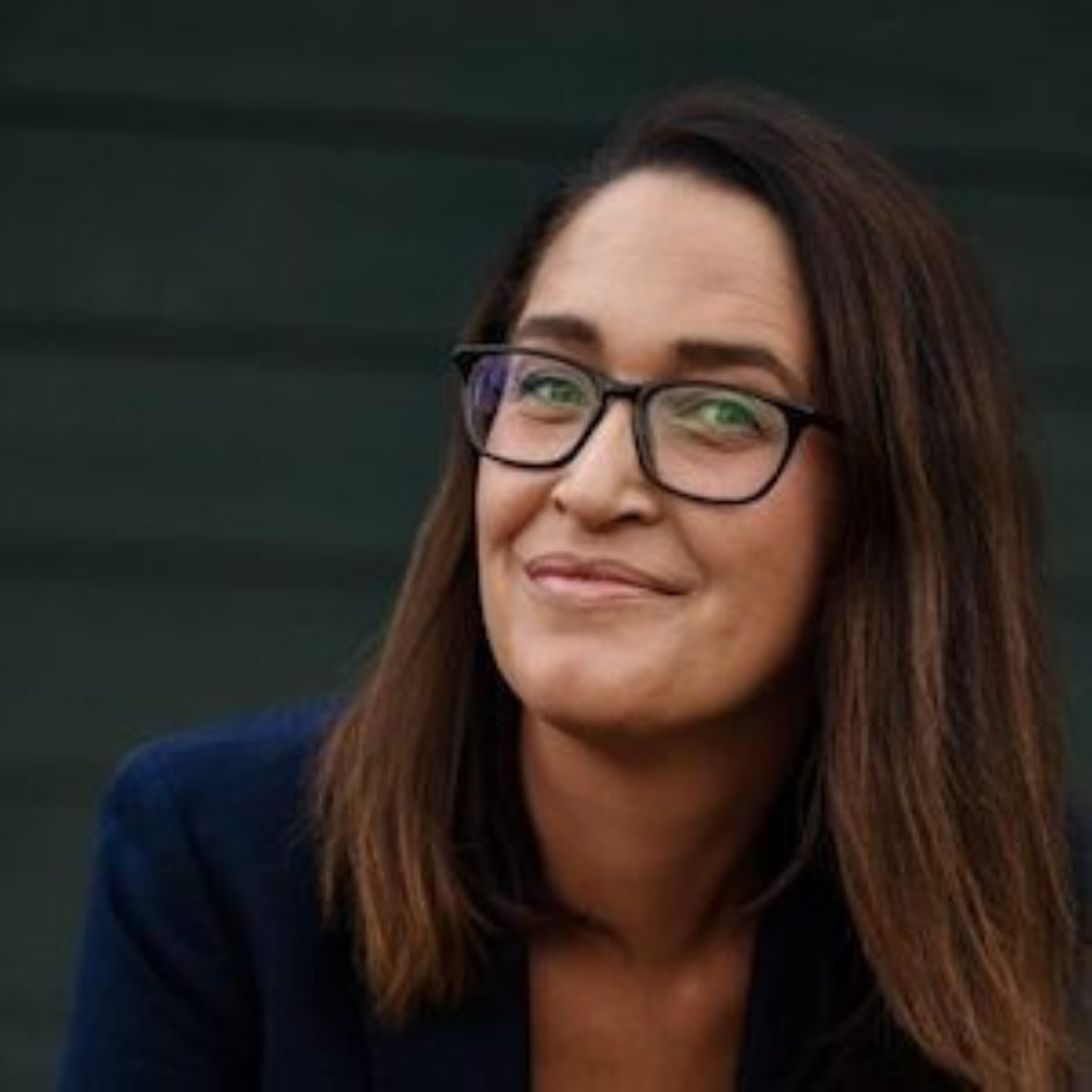
Texas Tech and Tarleton State Universities | Adjunct Faculty
l am the Editor-in-Chief of the UC Press journal “Case Studies in the Environment” and adjunct faculty at Texas Tech and Tarleton State Universities. I am also is the author of “SDG12-Sustainable Consumption and Production: A Revolutionary Challenge for the 21st Century and a Senior Fellow at the Breakthrough Institute.
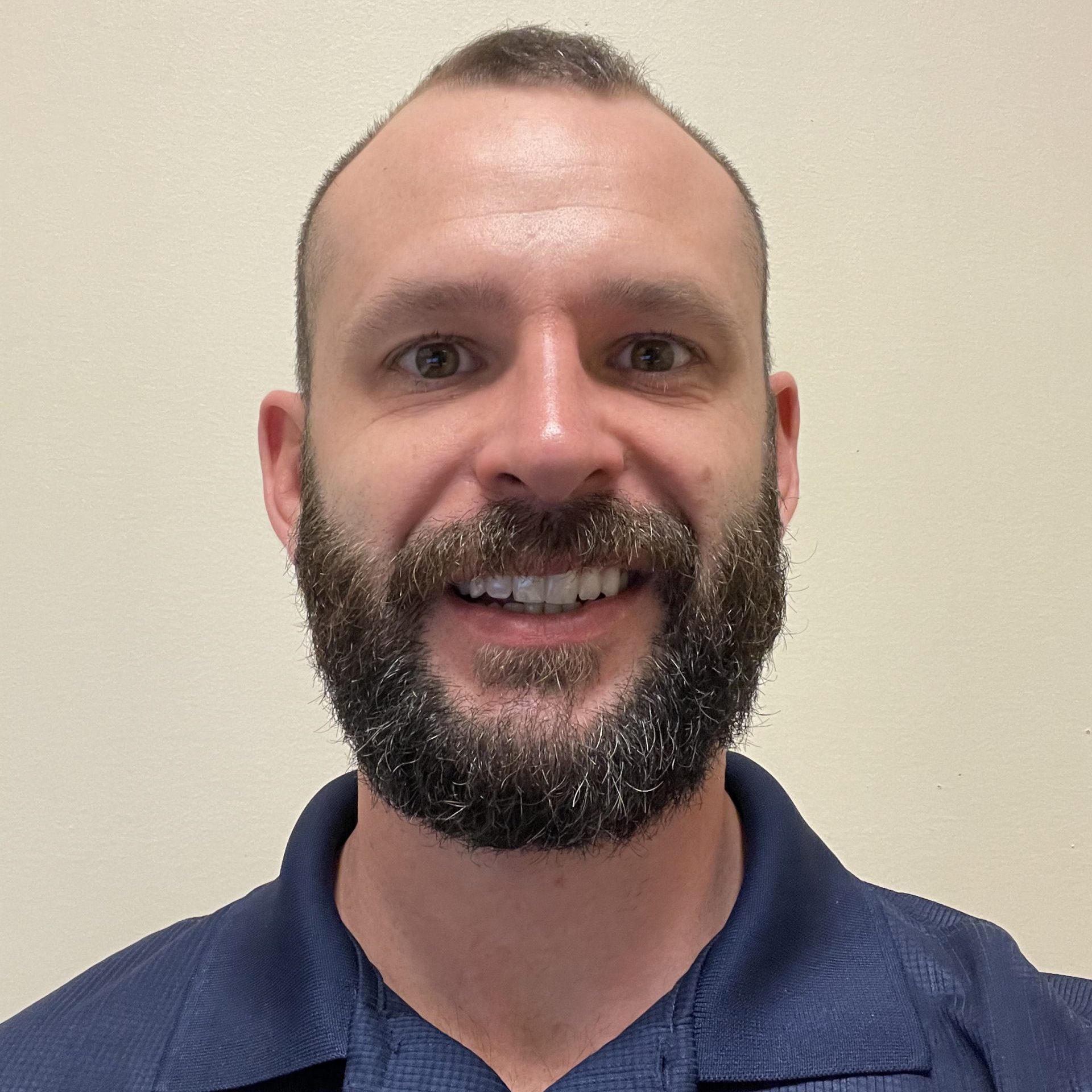
University of Dubuque | Natural and Applied Sciences
I am an Assistant Biology Professor at the University of Dubuque, in Dubuque Iowa. I primarily focus on teaching a wide array of courses related to the natural world, including ecology, animal behavior, advanced quantitative methods for environmental scientists, and environmental policy. I enjoy teaching data collection and field techniques.
A Deep Dive with Beavers: How Human History & Local Community Structure Alters the Effects of Beaver Activity on Riparian Ecosystems
Building Beaver Dams & Building Resilience
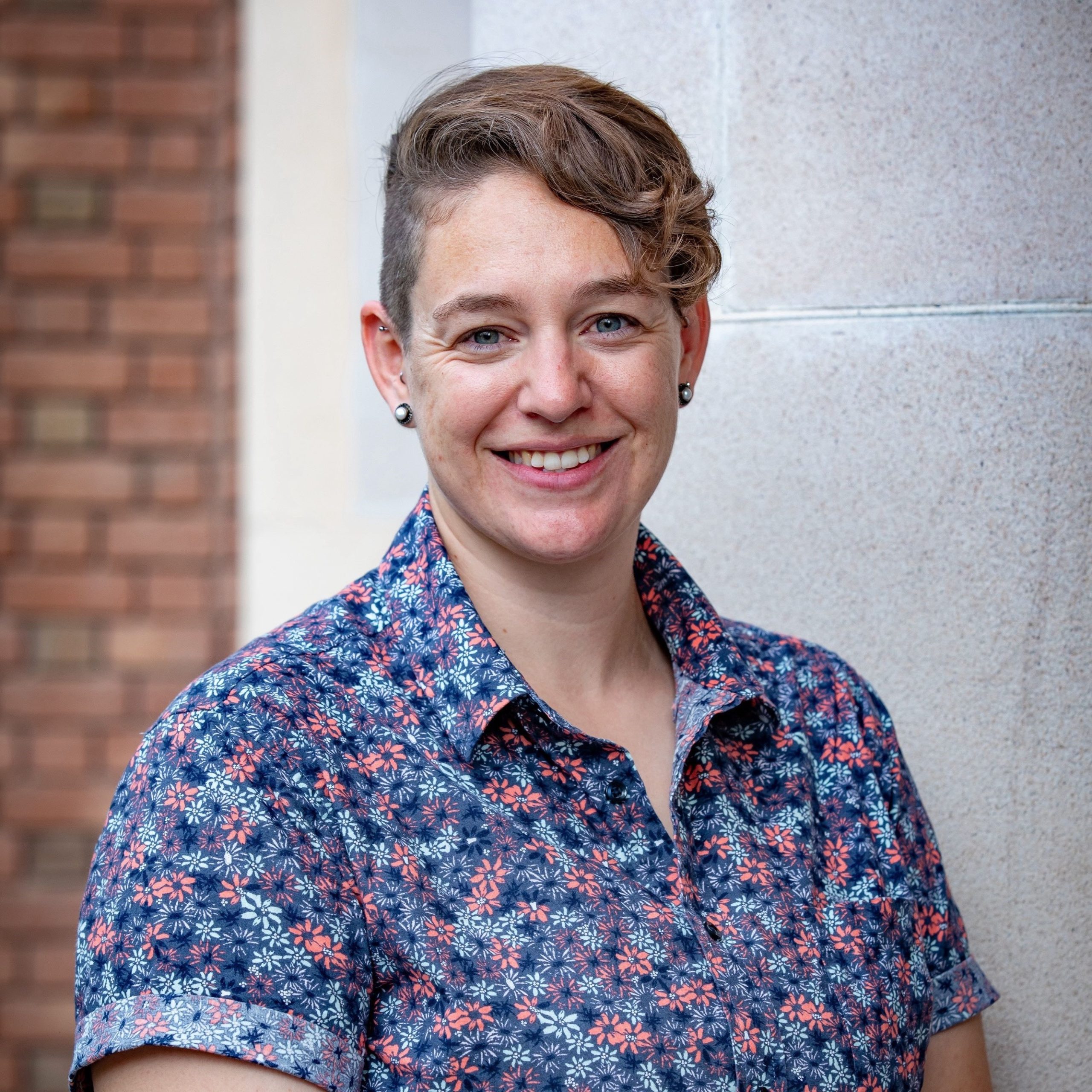
University of Arizona | School of Natural Resources & Environment
I am an Assistant Professor of Practice in the University of Arizona’s School of Natural Resources and the Environment, where I teach courses incorporating data science into ecology. I am interested in community ecology, data science pedagogy, and increasing inclusivity and equity in ecology and beyond
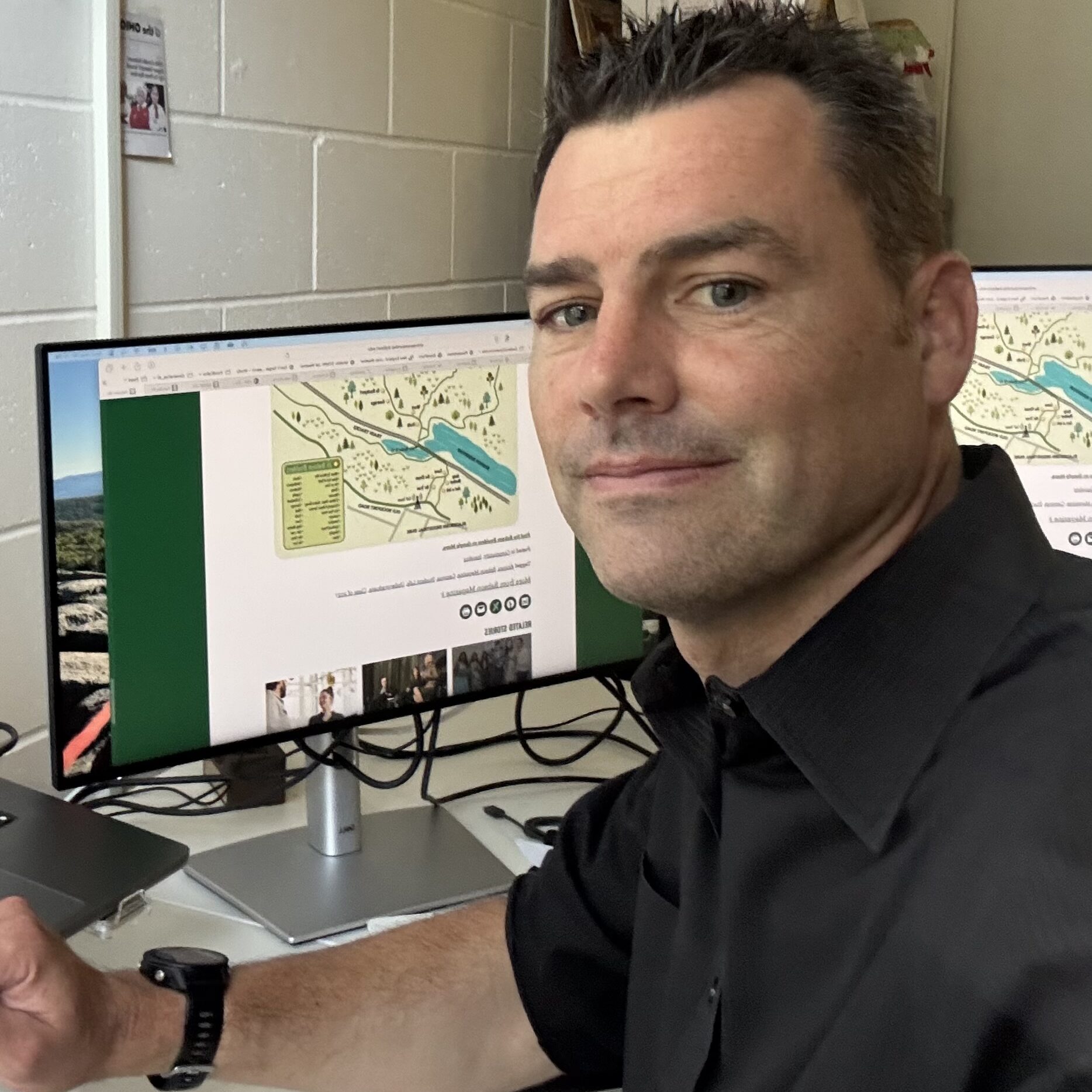
Babson College | Mathematics, Analytics, Science, and Technology
I am an assistant professor at Babson College. My research interests center on glucose metabolism and the dysfunction caused by diabetes. In the lab, I investigate gene expression changes in alpha and beta cells from human pancreatic islets donors who do not have diabetes or have type 1 or type 2 diabetes. The goal of these studies is to identify genes that positively or negatively affect beta cell function, which could eventually become therapeutic targets.
Class Activities to Explore Biodiversity Loss through the lenses of Artificial Selection and Monoculture
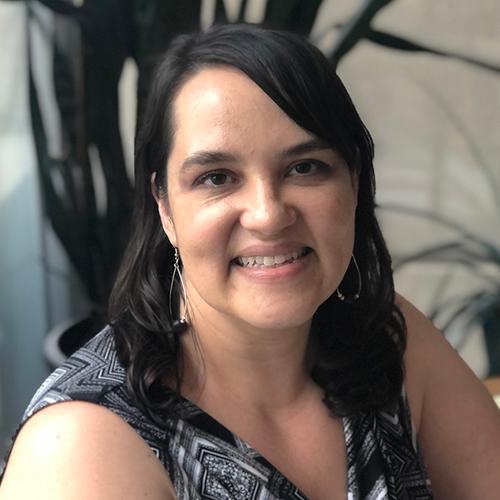
Laura Catano
University of California, Riverside | Evolution, Ecology, and Organismal Biology
I am an Assistant Professor of Teaching at the University of California, Riverside, where I use evidence-based, learner-centered approaches to create rigorous and inclusive biology classrooms. My teaching and curriculum development focus on engaging and supporting diverse students while creating meaningful learning experiences that foster curiosity, confidence, and a lasting appreciation for science.
A Data-Driven Investigation Exploring Productivity–Diversity Relationships Across Scales
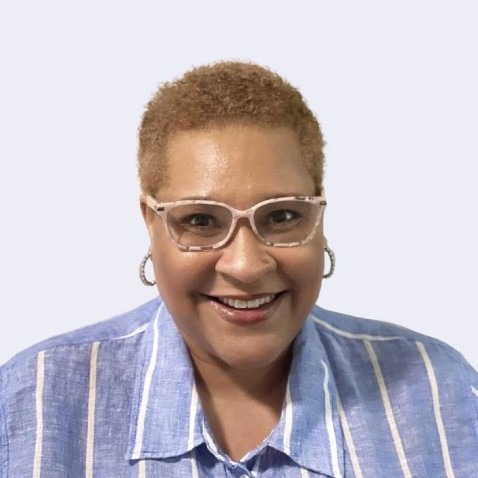
Georgia Military College | Biological Sciences
I’m a higher education educator in marine and environmental sciences and an Ed.D. candidate in Applied Learning Sciences. My work advances biodiversity and climate learning through systems thinking, data literacy, and policy translation. I help students become learners of their communities by connecting ecological evidence to uncertainty-aware explanations and applying those insights to community-engaged conservation, civic engagement, and evidence-informed local decision-making.
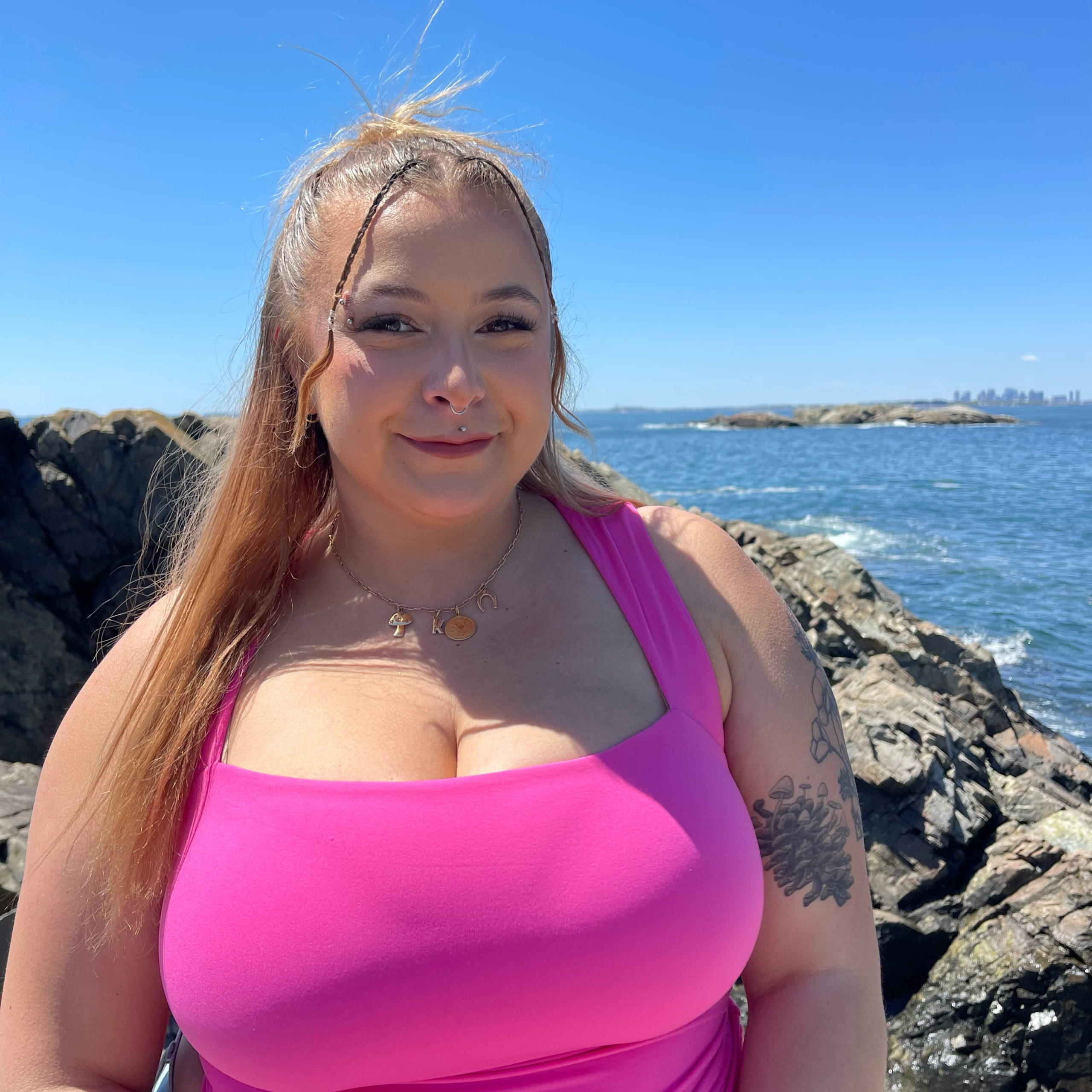
Northeastern University | Marine & Environmental Science
I am an NSF Postdoctoral Research Fellow. I study plant-fungal interactions in response to global change. My approach to teaching emphasizes learning as a form of empowerment as students explore connections between science and society. By creating spaces where authenticity thrives, I aim to spotlight the often-overlooked stories of communities demonstrating climate resilience in my courses using the 4DEE framework.
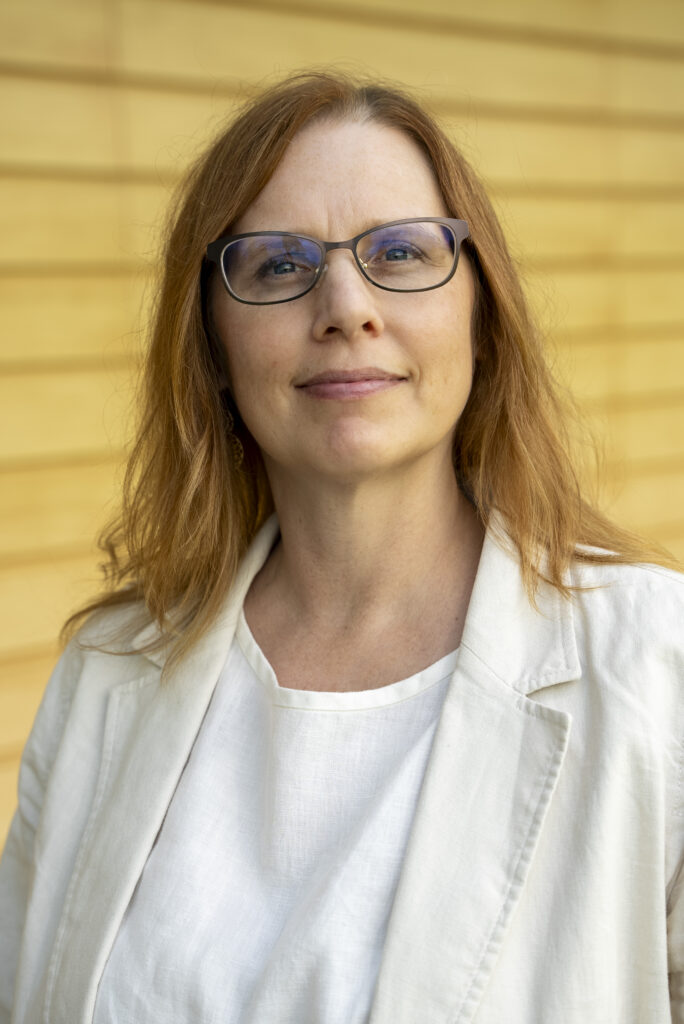
Delta College | Science and Mathematics
I hold a B.S. in Biology from Alma College, two master’s degrees (Health Promotion and Conservation Biology), and a Ph.D. in Educational Leadership from Central Michigan University. I specialize in trauma-informed, narrative, and project-based STEM education which emphasize diverse perspectives and traditional ecological knowledge.

Chapman University | Biological Sciences
I am an Assistant Professor of Biology at Chapman University, where I conduct biology education research that examines how students learn and explores how different factors shape students’ experiences inside and outside the classroom. I am committed to evidence-based teaching and have been recognized with teaching awards at both Stanford and Chapman University.
An inquiry-based approach for teaching Type III functional responses in ecology*
Florida A&M University | School of the Environment
I am an Assistant Professor at Florida Agricultural and Mechanical University; my research currently focuses on understanding the complexities of ecosystem services and their ability to adapt to changing climates. I investigate how technologies such as geospatial and artificial intelligence can be used to model these environmental changes, contributing to comprehensive efforts supporting and empowering climate adaptation projects.
With more than a decade of undergraduate teaching experience, I create immersive environmental education exploring food, energy, and water system interconnections. Blending field research, technology, and policy, my work builds ecological literacy and problem-solving skills. I integrate applied, interdisciplinary challenges into inclusive curricula that prepare students as current and future community leaders.
Energy Return on Investment (EROI): The Case of Corn vs Solar in Rural America

Miranda Kearney
SUNY Oneonta | Biology
I am an Assistant Professor in the Biology Department at SUNY Oneonta. I am very interested in science education and my ecological research focuses on questions related to global change biology. I often align these interests in the classroom by using resources like 4DEE, implementing project-based courses, and through my work designing and running Course-based Undergraduate Research Experiences (CURE).
California State University | Biological Sciences
I am a Professor in the Department of Biological Sciences at California State University, Sacramento. My research addresses how environmental variation affects diversity and function of seasonal wetlands, including vernal pools and rock pools. I teach courses in ecology, biostatistics, and scientific communication.
HUMAN-ENVIRONMENT AQUATIC LAB (HEAL) CURE
HEI Research in the Classroom: The HUMAN-ENVIRONMENT AQUATIC LAB (HEAL)
University of North Carolina | Biology
I am an Associate Professor at the University of North Carolina at Greensboro, with a research focus on plant community responses to global change drivers. I am a proud alumna of ESA’s SEEDS program. I love getting students involved in research and aim to implement 4DEE practices throughout my courses.
Malaise Trap Project: Involving Undergraduate Students in Network Science
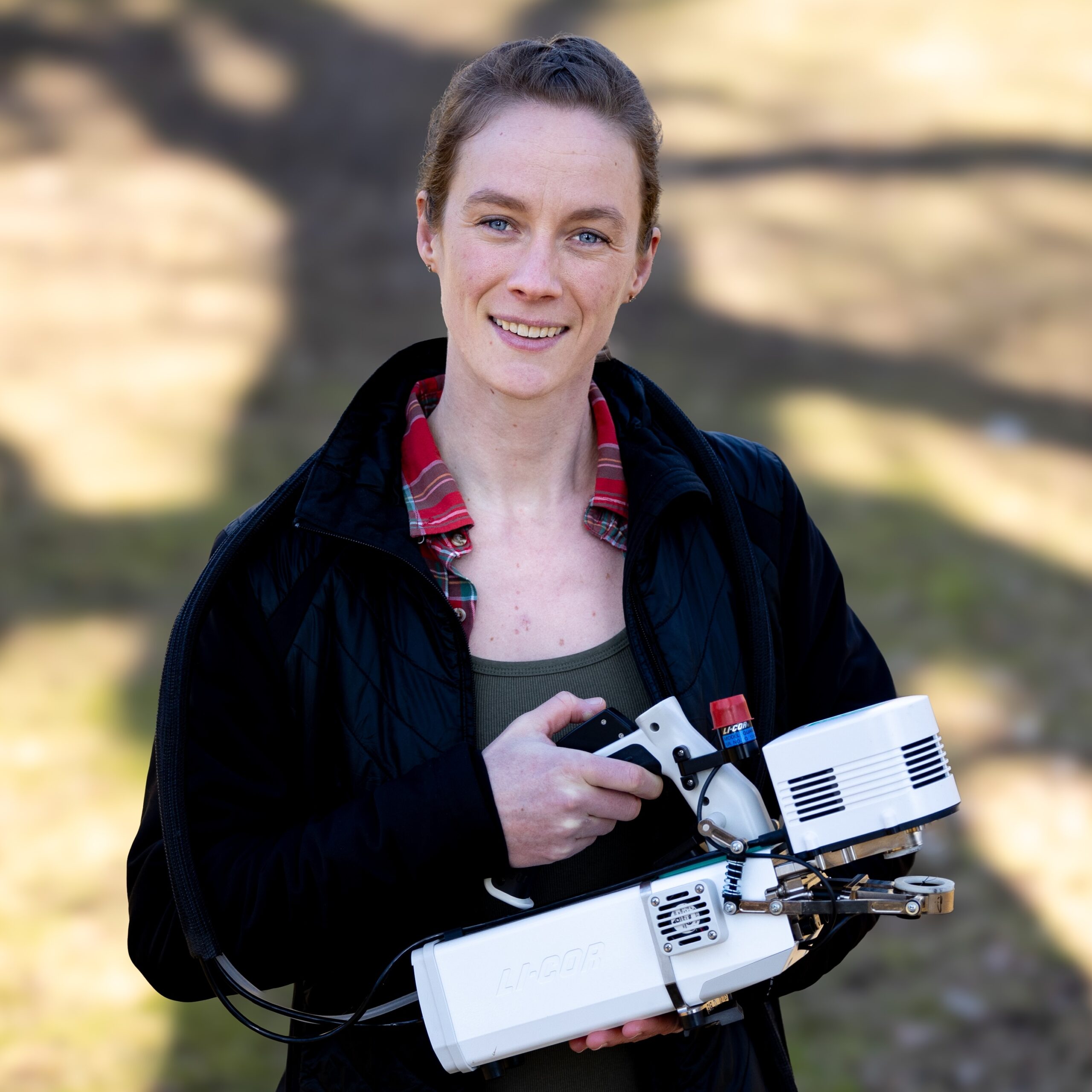
Swedish University of Agricultural Sciences
I study how forests change over time, with special focus on tree responses to fire, browsing damage, and climate change. I’m also interested in the social aspects of science education, especially how field-based learning programs help students succeed. I am currently a postdoctoral researcher at the Swedish University of Agricultural Sciences, and in August 2026, I’ll join the University of New Brunswick as an Assistant Professor of Forest Ecophysiology.
R Data Lab: Using Forest Census Data from the ForestGEO Network
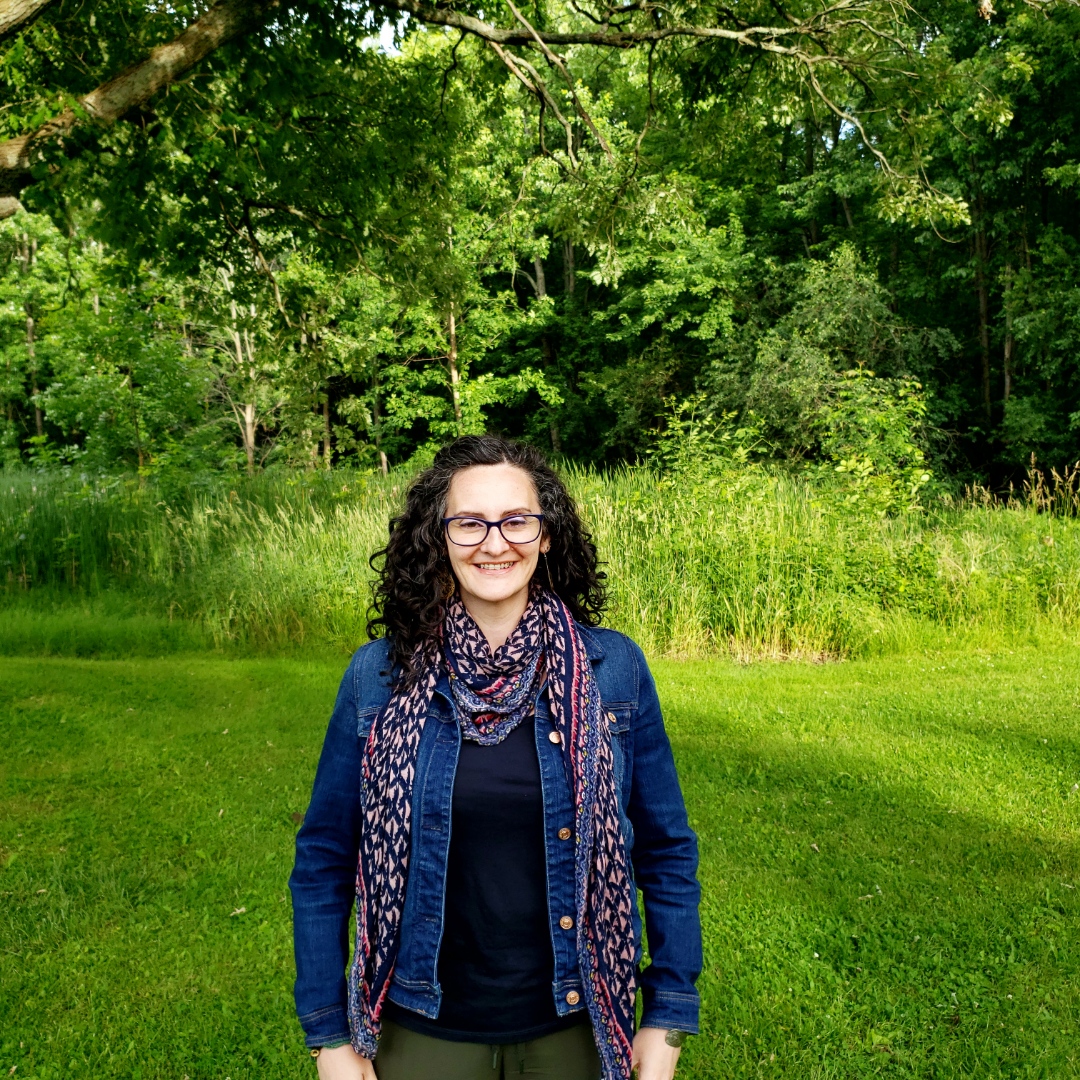
Mount Mary University | Division of Math & Sciences
Born in Portugal, I pursued graduate studies in Fire Ecology in Texas. While enjoying setting leaves on fire, I discovered a love of teaching and am currently doing so in Milwaukee. I am the best version of myself in Nature, I love cats, and I have recently learned to crochet!
Incorporating Human-Environment Interactions (HEI) into an introductory Predator-Prey Lab
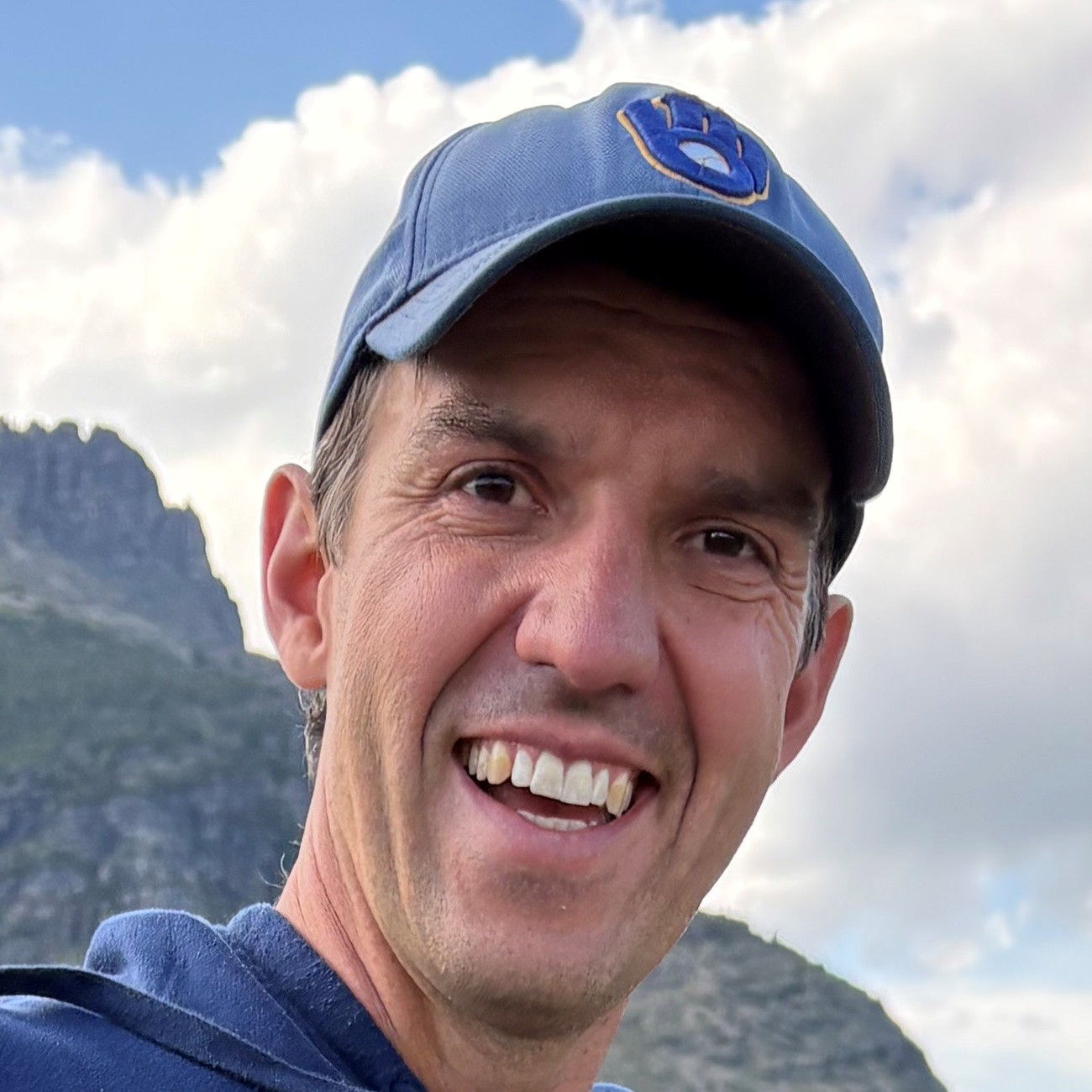
Bradley University | Biology
I am an Associate Professor at Bradley University in Peoria, IL, and a freshwater ecologist. I teach both lower- and upper-level courses in ecology and environmental science. My research involves understanding how environmental context influences species interactions between freshwater organisms, including amphibians, zooplankton, and microbes.
Student-led discussions of peer-reviewed articles in ecology
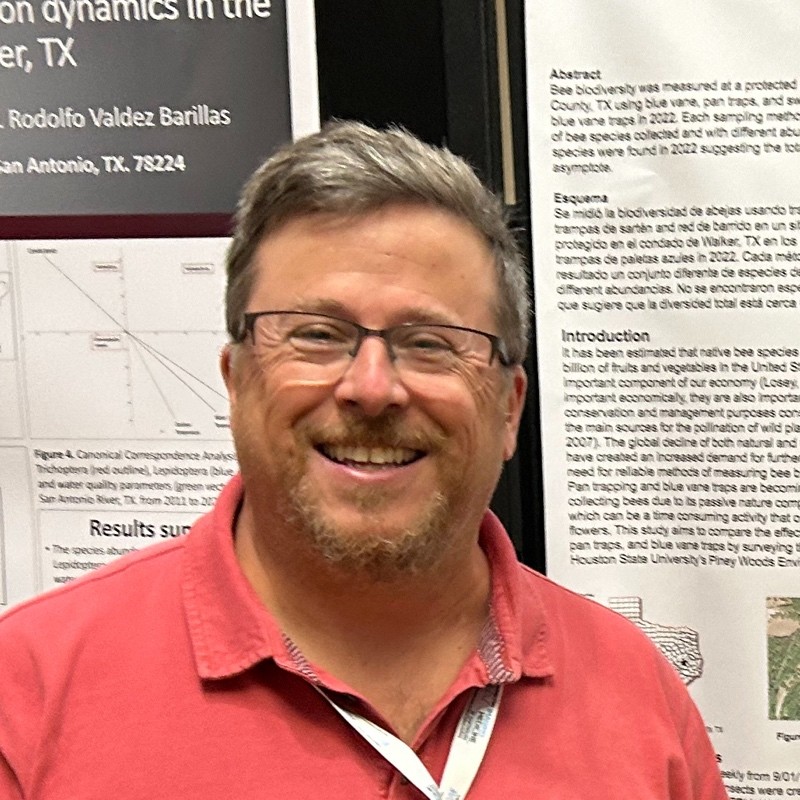
Sam Houston State University | Biological Sciences
I am Professor of Biological Sciences at Sam Houston State University. A plant ecologist, I have also worked at Valdosta State University, Georgia Southern University, and Kansas State University. My research interests are plant demography, conservation biology of rare plants, plant-pollinator interactions, and native bee conservation.
Red-Cockaded Woodpecker (RCW) Habitat and Ecological Restoration in East Texas
Cleveland State University | Biological, Geological, and Environmental Sciences
I am an Associate Professor at Cleveland State University, where I teach across the curriculum, from introductory biology to graduate biostatistics. My teaching interests include building study skills and scientific skills in the classroom, including scientific thinking, communication, and quantitative skills.
Auburn University | Biology and Environmental Sciences
I am a plant community ecologist and Associate Professor of Biology & Environmental Sciences at Auburn University at Montgomery. I love helping students get involved in research—not just by becoming a member of my research lab, but also as part of class projects.
Exploring how past land use affects current plant diversity in an ecosystem.

Purdue University
Future faculty member in the biology and environmental sciences department at Le Moyne College starting Aug 2024! I am a freshwater biologist broadly interested in human impacts on freshwater organisms including fish and macroinvertebrates. I used a metacommunity framework to answer questions about anthropogenic influences on stream fish community assemblages. I am interested in movement behaviors of non-game stream fishes along gradients of urbanization and connectivity. I am also interested in Biology Education Research by investigating introductory biology and quantitative reasoning in STEM courses including creating and interpreting graphs, statistics, and critical thinking skills.
Kansas State University | Biology
I am an Assistant Teaching Professor of Biology at Kansas State University focused on ecology education and evidence-based teaching. My work centers on developing accessible classroom resources that help students engage with ecological concepts, analyze environmental data, and connect biological principles to real-world environmental challenges.
Windows to the Atmosphere: Stomatal Ecology Across Leaf Surfaces and Climates
4DEE Whole Course FMN Activity: Birds as Indicators of Ecosystem Health: Strengths, Limitations, and Inference Under Uncertainty
4DEE Whole Course Syllabus: Integrating the Four Dimensions of Ecology and Evolution Framework in the Ornithology Classroom

Moravian University | Biological Sciences
I am a plant community ecologist. I study shrub encroachment into grasslands on Virginia Barrier Barrier Islands. I conduct research at the Virginia Coast Reserve, a Long-Term Ecological Research site. I am interested in taking what I learn in the field about plant community dynamics into the classroom.

SUNY Geneseo | Biology
Being trained as a community ecologist, I’m interested in how the context of interactions among students influences their attitudes toward their learning experiences. Some of my current projects include teaching quantitative skills while reducing math anxiety and developing OER to increase the representation of counter-stereotypical scientists in biology curricula.
A graphing activity to investigate functional responses of lionfish
Florida SouthWestern State College | Biological Sciences
I am a Professor of Biological Sciences at Florida SouthWestern State College. My research focuses on antibiotic discovery from microorganisms isolated from the environment and evaluating their efficacy. I integrate the 4DEE Framework in my teaching to inspire students to connect biological concepts with broader ecological systems and environmental stewardship.
Exploring Microbial Diversity: An Interactive In-Class Assignment for Biology and Microbiology Courses
Integrating Ecological Concepts in Biology and Microbiology Courses with a 4DEE Approach
Melissa Bowlin | University of Michigan-Dearborn
Human population growth case study
Xuan Chen | Salisbury University
Playing with open biodiversity datasets: case studies using data from NEON, EDI, and GoMRI
Jonathan Davis | Wofford College
Investigating the ecological value of migratory fishes on stream ecosystems in southern Appalachia
Sara Hansen | Central Michigan University
Building Biodiversity Datasets for Invasive Species
Tracy Hmielowski | Eastern Iowa Community Colleges – Scott Community College
From Field to Fuel: Evaluating claims about fuel ethanol
Macy Ricketts | Colorado State University
Echoes of Tourism: Exploring the Ecological Effects of Habituation in Alpine Wildlife
Porché L. Spence | North Carolina A & T State University | College of Agriculture & Environmental Sciences
Investigating the Impacts of Food Choices on Food Carbon, Energy and Water Footprints
Danielle Sublett | College of the Sequoias